Echoes of a Thousand Years
The History of Ranthambhore
The Foundation: Where Aravalli Meets Vindhya
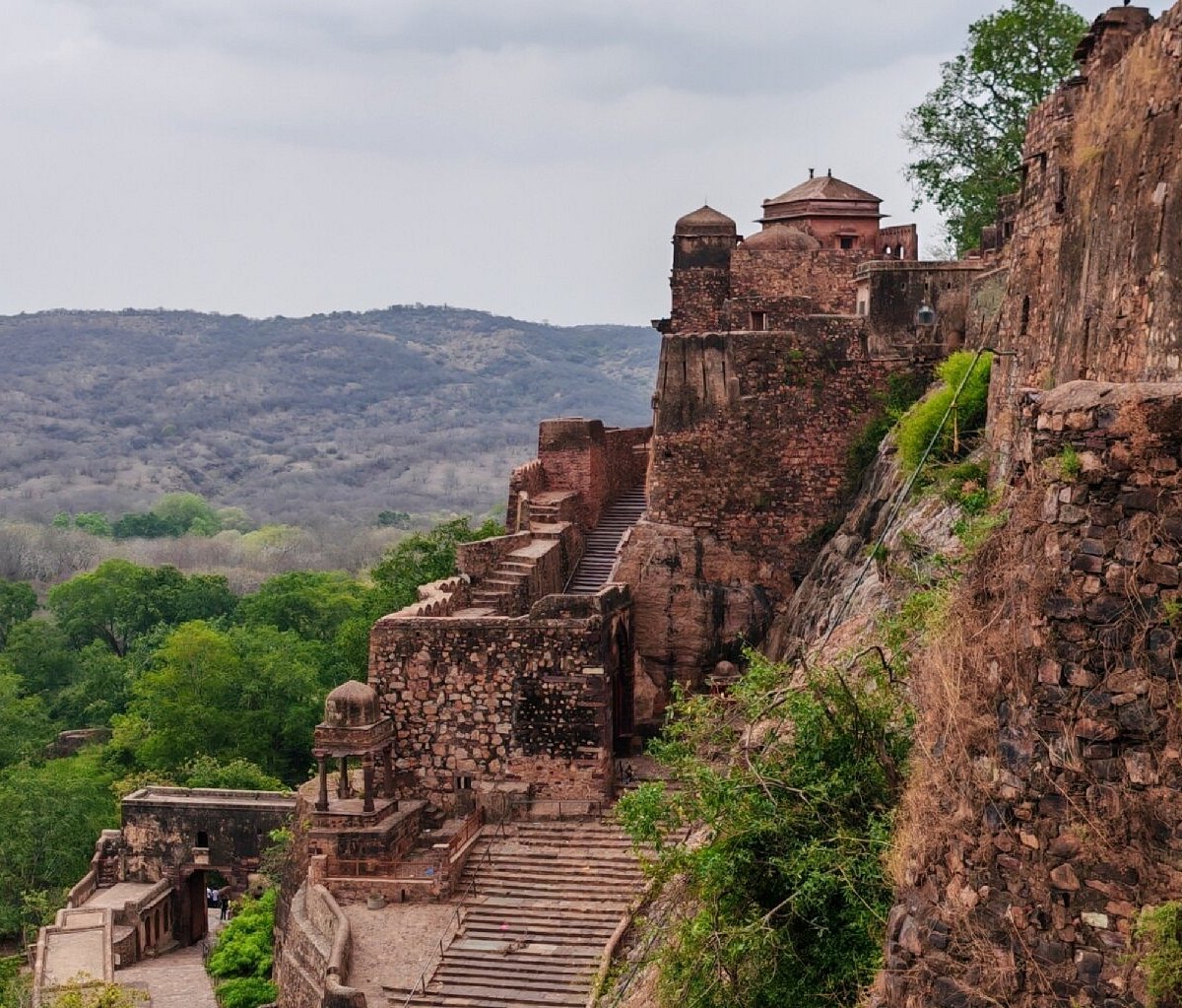
Ranthambore is built upon dramatic, ancient earth. It sits precisely at the junction of the Aravalli and Vindhya mountain ranges. This collision of geology has created a stunning, rugged terrain characterized by steep rocky hills, vast plateaus, narrow valleys, and shallow perennial lakes. It is a striking landscape that provides a cinematic backdrop for the wild.
A Royal Legacy: From Citadel to Sanctuary
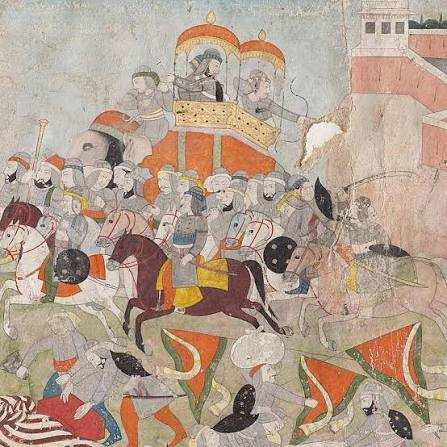
The park derives its name from the majestic Ranthambore Fort, a 10th-century citadel and recognized UNESCO World Heritage Site that still watches over the forest today. For centuries, these jungles served as the exclusive, private hunting grounds for the Maharajas of Jaipur. As conservation became a priority, the land was transformed: it was declared the Sawai Madhopur Sanctuary in 1955, became a cornerstone of 'Project Tiger' in 1973, and was officially elevated to a National Park in 1980.
The Rulers of the Wild: Flora & Fauna
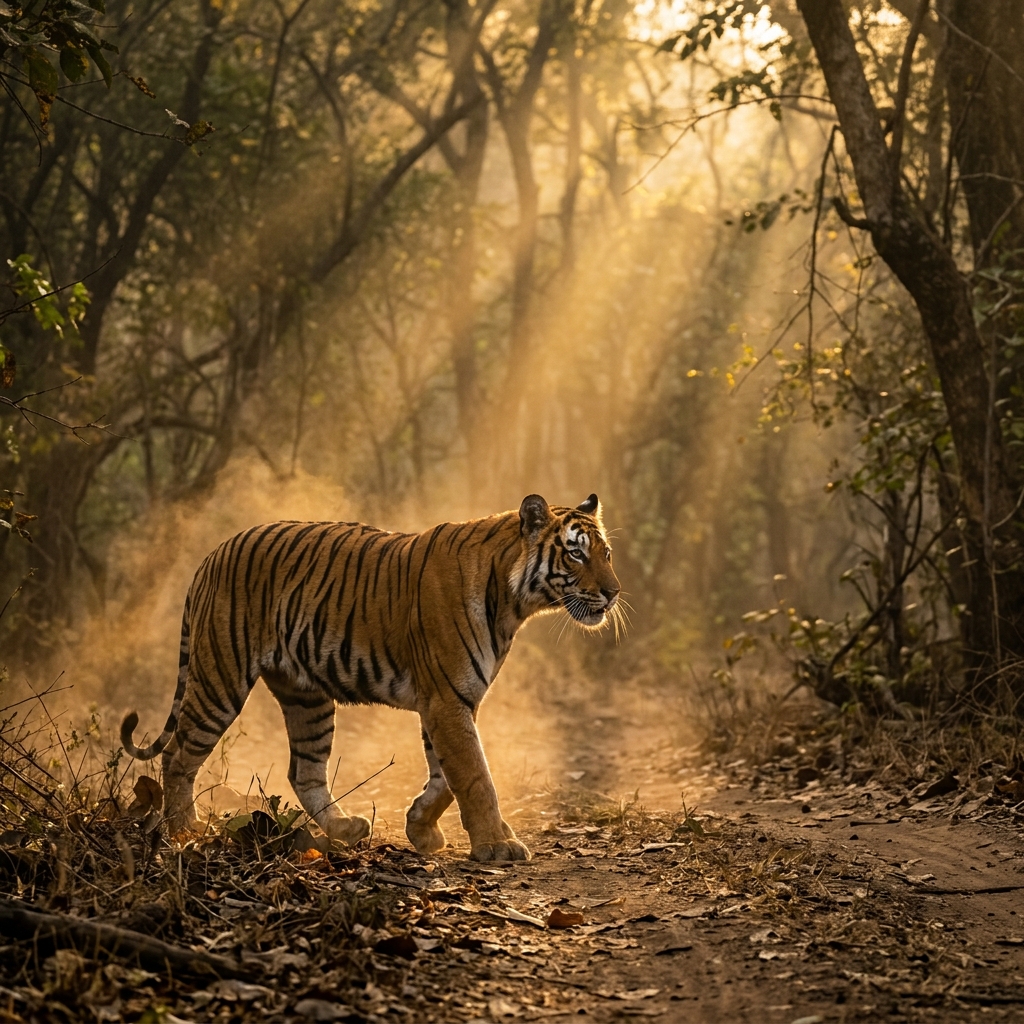
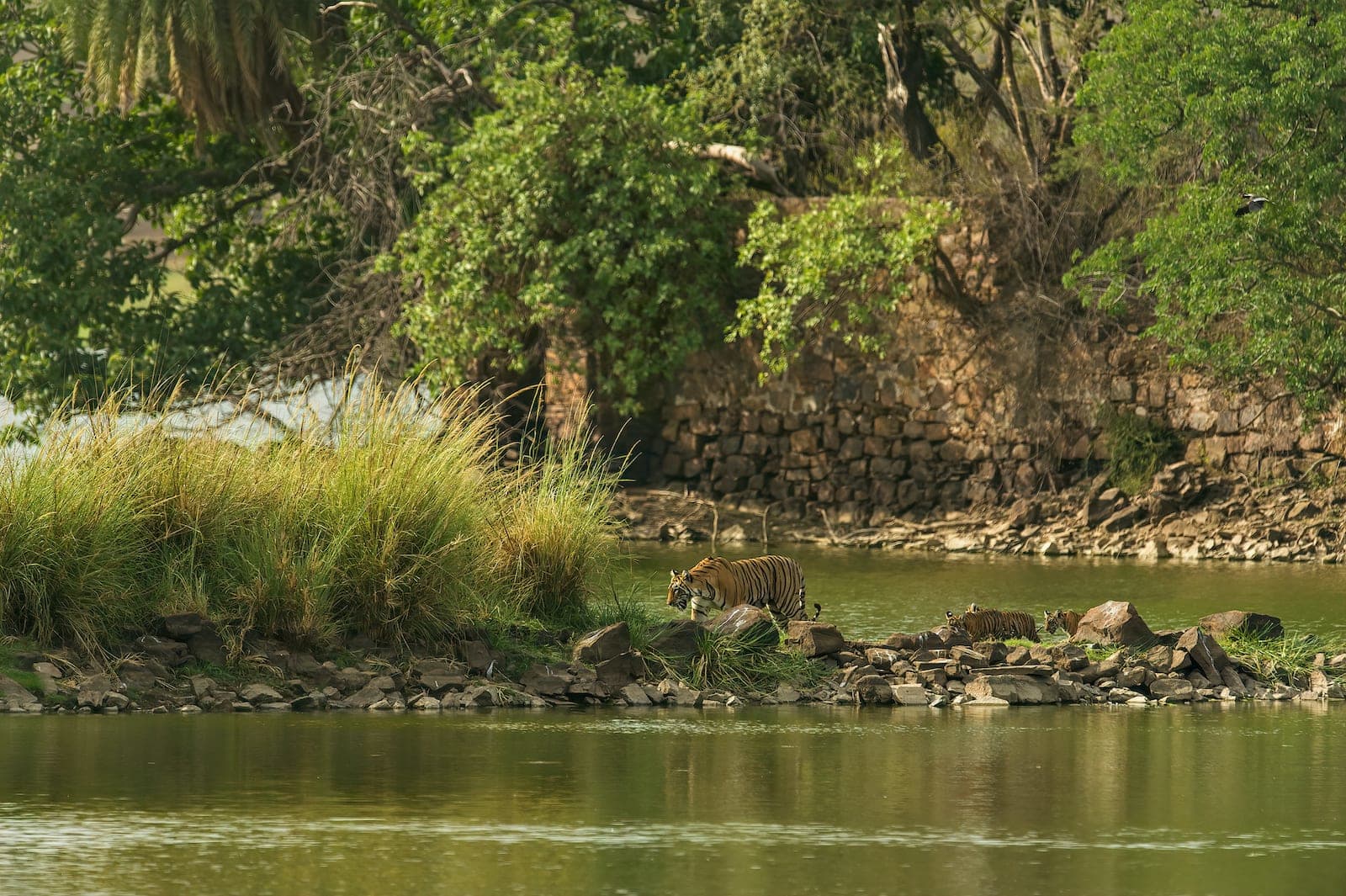
Today, Ranthambore is a thriving dry deciduous ecosystem and one of the finest places on earth to observe the Royal Bengal Tiger in its natural habitat. The park is uniquely known for its diurnal tigers, meaning these apex predators are frequently active and visible during the day. Beyond the tiger, the forest is a sanctuary for leopards, sloth bears, striped hyenas, crocodiles, and over 270 species of birds.